Fire Damage?
Don't Take Chances! Call the Top Disaster
Recovery Company in Anaheim and get cleaned up FAST!


Why Choose Us?
- Free Estimates
- Available 24/7/365
- 60 Minute Rapid Response
- Fully Licensed And Insured
- We Work With Your Insurance Company
Call Now (714) 576-5070
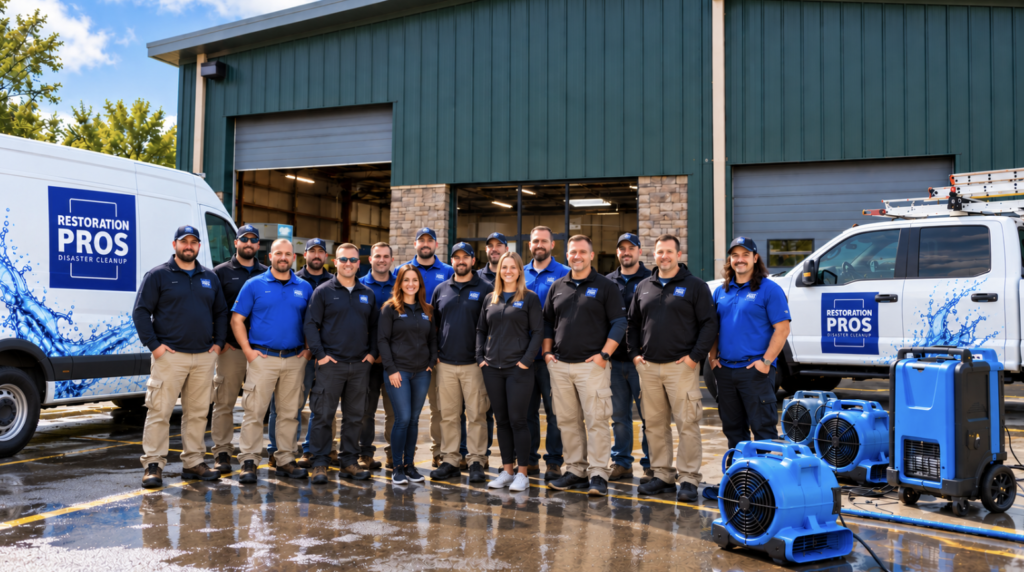
Fire Damage Restoration in Anaheim, California
After a fire, do not enter the property until emergency officials have cleared it for entry. Once the building is safe to enter, our team helps protect the structure, document the damage, and set the cleanup in the right order. Smoke, soot, heat, odor, and firefighting water can affect rooms far beyond the area where flames were visible.
We help homeowners, landlords, property managers, and commercial property owners in Anaheim. Our technicians inspect the building and contents, separate salvageable items from heavily damaged materials, and explain what needs cleaning, removal, drying, or repair planning. You receive clear updates as the work moves forward.
Fire can weaken framing and leave roofs, walls, windows, or doors open to weather. We review safe access and temporary protection before cleanup begins. Contents are labeled and separated for cleaning, storage, pack-out, or replacement review so items do not become mixed during the project.
Need Restoration Help in Anaheim? Call (714) 576-5070
Our IICRC certified techs look for charred materials, unstable areas, electrical concerns, damaged ceilings, HVAC surfaces, insulation, drywall, flooring, cabinetry, and affected contents. We also identify smoke residue and odor sources. If firefighting water entered the property, we check walls, floors, ceilings, and other materials for hidden moisture instead of relying only on what can be seen.
Safety and Fire Damage Assessment
Smoke residue needs more than a surface wipe. Our crew uses controlled cleaning methods, HEPA vacuums, air scrubbers, and specialty tools suited to the affected materials. Drywall, wood, flooring, cabinetry, textiles, insulation, HVAC surfaces, and personal belongings each require a different cleaning decision. We document conditions with photos and written notes so the scope is easier to follow.
Fire Cleanup When Water Is Also Involved
Firefighting water can damage lower levels, wall cavities, flooring, and contents below a burned area. We remove standing water, check moisture levels, and use air movement and dehumidification to support structural drying. Moisture readings help show whether materials need continued drying, removal, cleaning, or repair planning. This step also helps limit additional damage while smoke and soot cleanup continues.
Commercial Fire Damage Cleanup
Commercial fire cleanup needs a plan for occupants, access, equipment placement, work zones, and business interruption. Offices, restaurants, retail properties, warehouses, and industrial buildings may contain inventory, electrical equipment, loading areas, finished offices, and several tenant spaces. Our team works with property owners and managers to keep unaffected areas separate from the cleanup zone.
In Downtown Anaheim mixed-use buildings, smoke or firefighting water may move between apartments, shops, and offices, so shared walls and ceilings need careful inspection. Anaheim Canyon warehouses may require organized handling of stored materials across large floor areas. Properties in the Platinum Triangle may need coordinated access through shared spaces or multiple floors. We place equipment and establish work areas without blocking necessary entrances or interfering with areas that remain in use.
Local Fire Damage Risks in Anaheim
Anaheim properties range from single-family homes and apartments to mixed-use buildings, offices, warehouses, and retail spaces. After strong rain or Santa Ana winds, roof, window, or exterior damage can expose a fire-affected building to more moisture and debris. Our assessment includes those openings so temporary protection and cleanup address the full condition of the property.
For immediate fire damage help in Anaheim, call (714) 576-5070 to discuss what happened and the next steps for your property.
From Assessment to Repair Planning
Normal fire cleanup starts with a safety review and damage documentation. We then secure exposed areas, remove unsafe debris, evaluate contents, clean soot and smoke residue, control odors, and address water damage from firefighting. Drying and moisture monitoring follow wherever water entered the structure. Once cleanup is complete, we organize the findings so repair planning can address damaged drywall, flooring, cabinetry, insulation, ceilings, and other building components.
Our team keeps the work organized from the first inspection through the final cleaning review. You can ask questions throughout the project and see which areas are being cleaned, dried, removed, or held for repair decisions.
Frequently Asked Questions
Is it safe to enter a fire-damaged property?
Do not enter until emergency officials have cleared the property for entry. Fire can weaken the structure and create electrical, debris, smoke, and exposed-opening hazards.
What happens during a fire damage assessment?
We inspect the structure, contents, smoke residue, soot, odor sources, and any firefighting water. We document the condition and explain which materials need cleaning, drying, removal, or repair planning.
Can smoke damage affect rooms that did not burn?
Yes, smoke and soot can spread beyond the room where the fire started. Our team checks nearby rooms, HVAC surfaces, contents, ceilings, walls, and other areas for residue and odor.
Do you clean belongings after a fire?
Yes, we evaluate affected contents for cleaning, pack-out, storage, or replacement review. Items are separated so salvageable belongings do not become mixed with heavily damaged materials.
What if firefighting water caused additional damage?
We check for standing water and hidden moisture, then use extraction, air movement, dehumidification, and moisture monitoring where needed. The readings help guide drying and repair decisions.
Can fire damage cleanup be performed in an occupied commercial building?
Yes, the work can be organized around occupied and unaffected areas. We plan access, work zones, equipment placement, contents handling, and shared spaces to reduce disruption.
How do you remove smoke odor?
Odor removal starts with finding and cleaning the residue source. Our crew uses material-specific cleaning, air scrubbers, and odor-control equipment as part of the overall cleanup.
When does repair planning begin?
Repair planning begins after the damaged areas and contents have been assessed. We document what needs cleaning, drying, removal, or replacement so the next work can be organized clearly.